
Optimal Timing for Land Clearing
Land clearing involves removing trees, brush, and other obstacles to prepare land for construction, agriculture, or development. Timing is crucial to ensure efficiency, safety, and optimal results. The best time to perform land clearings depends on seasonal weather patterns, soil conditions, and project goals.
Spring offers moderate weather and longer daylight hours, making it suitable for land clearing projects. Soil is often thawed and dry enough for equipment operation, reducing delays.
Summer provides warm conditions, but heavy rain can cause delays and soil compaction issues. Planning around dry spells can improve efficiency.
Fall is ideal due to cooler temperatures and typically drier soil conditions. It allows for preparation ahead of winter and planting seasons.
Winter is generally less suitable due to frozen ground and adverse weather, but in milder climates, it can be feasible with proper planning.
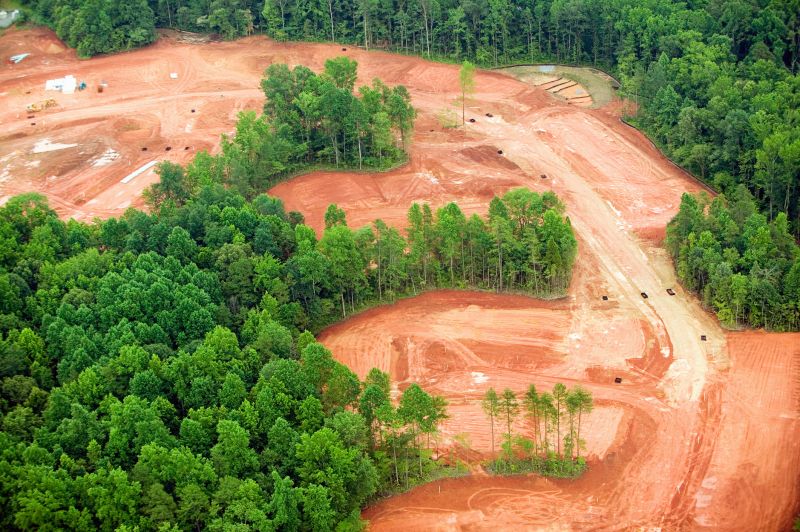
Ways to make Land Clearings work in tight or awkward layouts.
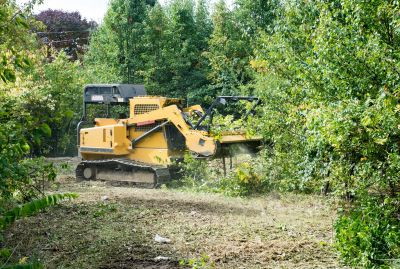
Popular materials for Land Clearings and why they hold up over time.
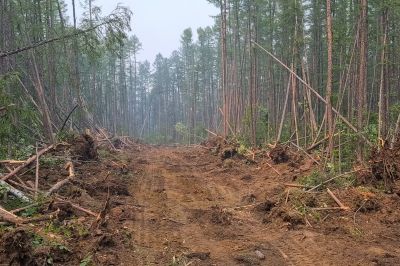
Simple add-ons that improve Land Clearings without blowing the budget.
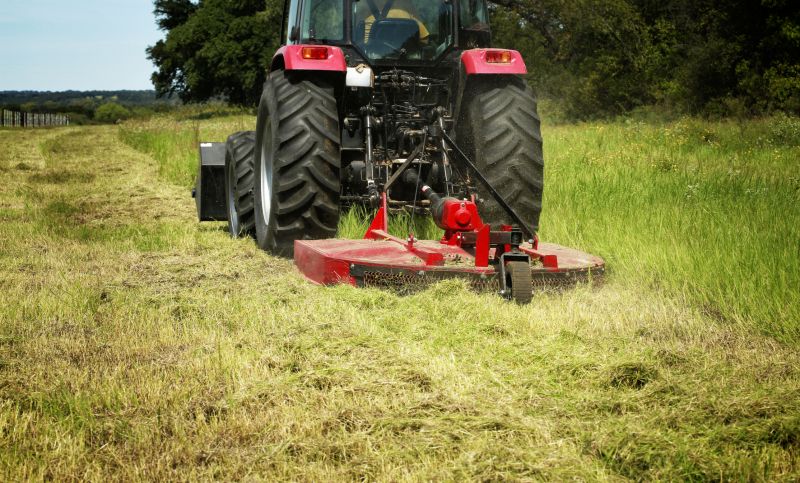
High-end options that actually feel worth it for Land Clearings.
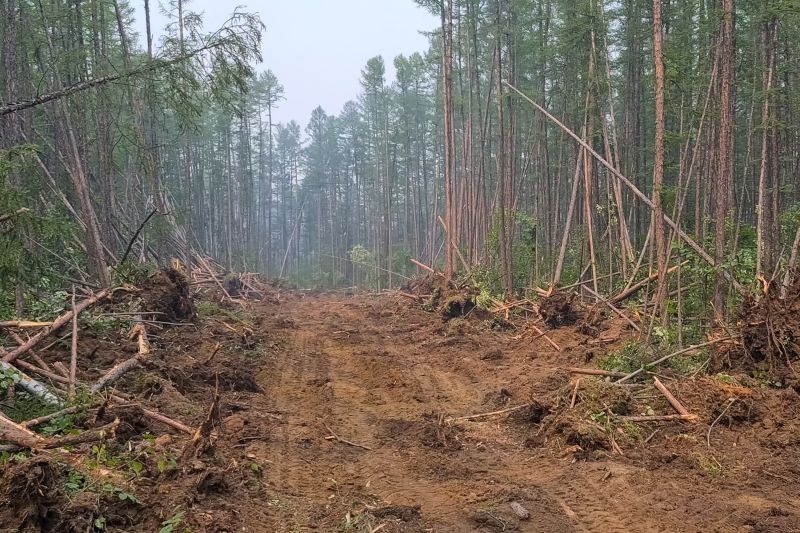
Finishes and colors that play nicely with Land Clearings.

Little measurements that prevent headaches on Land Clearings day.
Optimal land clearing times are influenced by local climate and soil conditions. Proper timing minimizes equipment downtime, reduces soil erosion, and ensures safety for workers. Land clearing during appropriate seasons can also help in controlling invasive species and managing debris more effectively.
| Season | Advantages |
|---|---|
| Spring | Ideal soil conditions and longer days |
| Summer | Extended daylight and warm weather |
| Fall | Cooler temperatures and dry soil |
| Winter | Less suitable due to frozen ground |

A 60-second routine that keeps Land Clearings looking new.
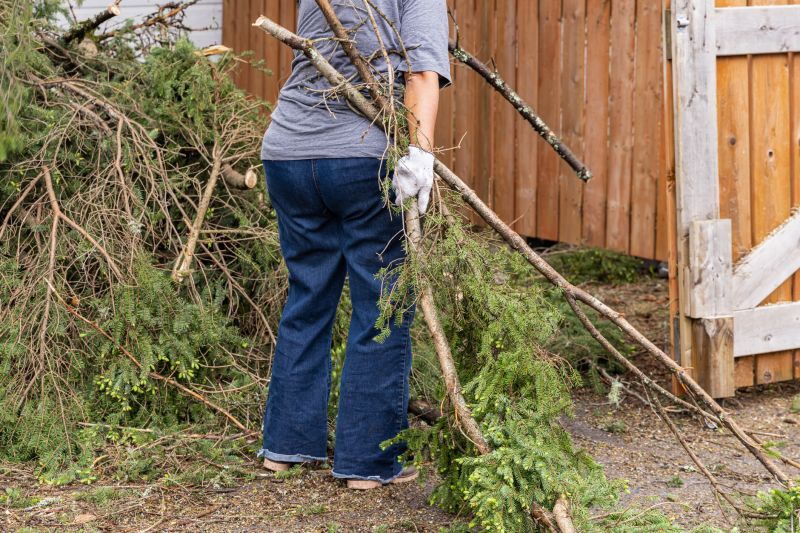
A frequent mistake in Land Clearings and how to dodge it.

Small tweaks to make Land Clearings safer and easier to use.
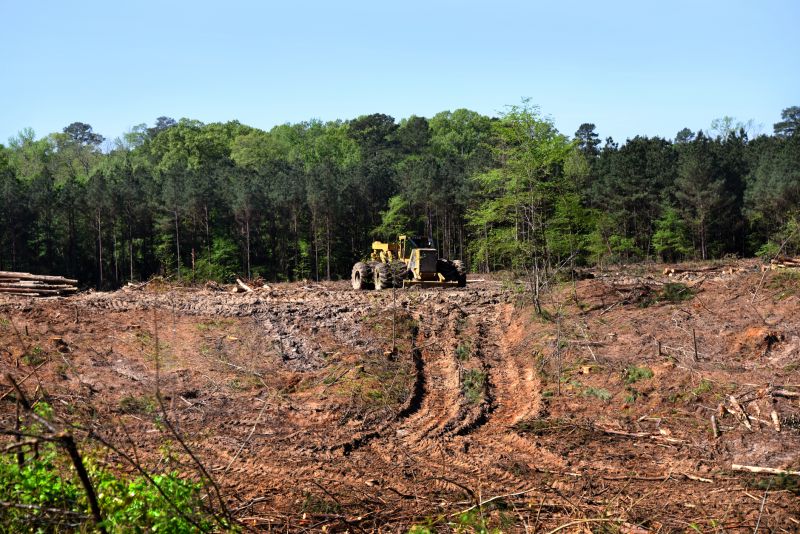
Lower-waste or water-saving choices for Land Clearings.
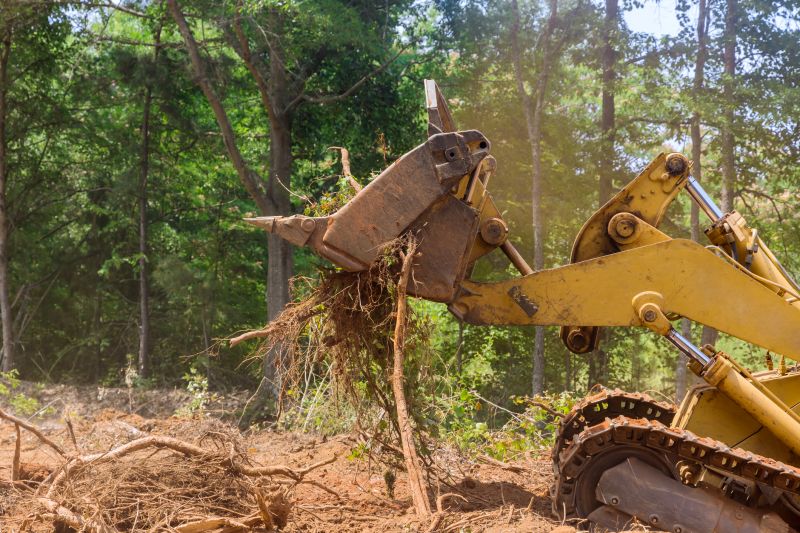
The short, realistic tool list for quality Land Clearings.
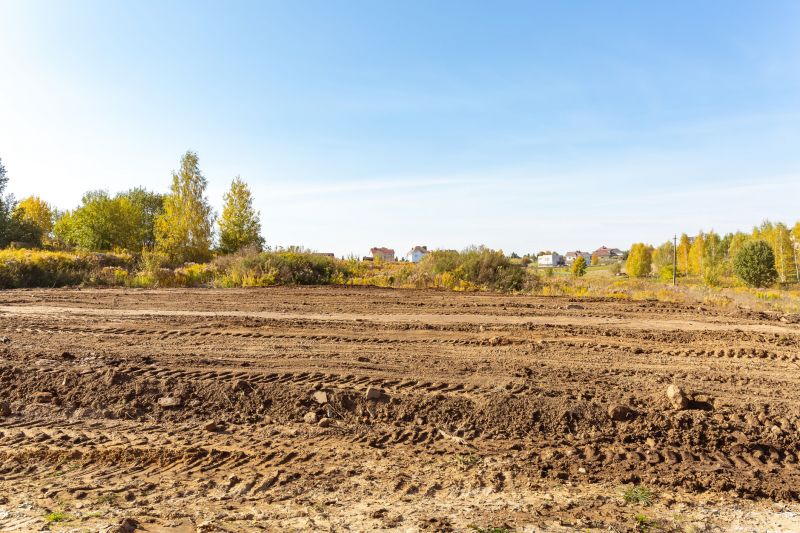
Rough timing from prep to clean-up for Land Clearings.
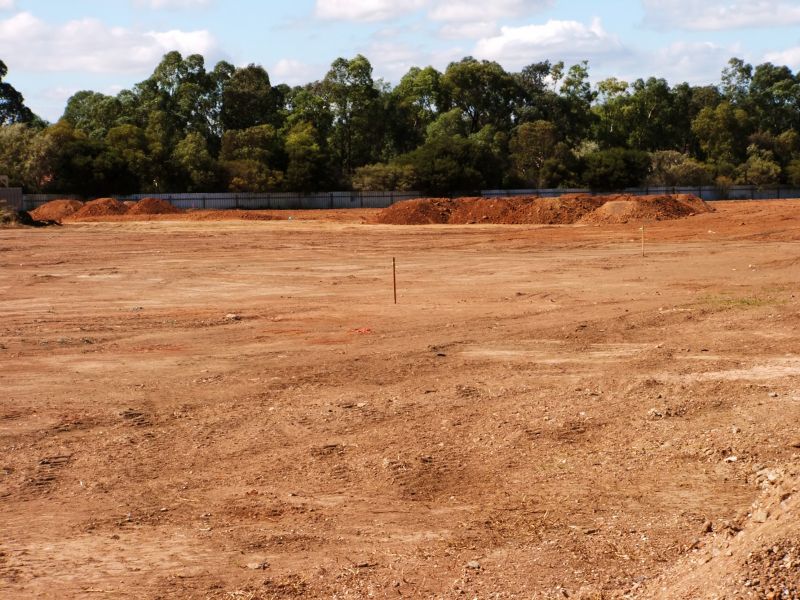
Quick checks and paperwork to keep after Land Clearings.

Examples that show the impact a good Land Clearings can make.
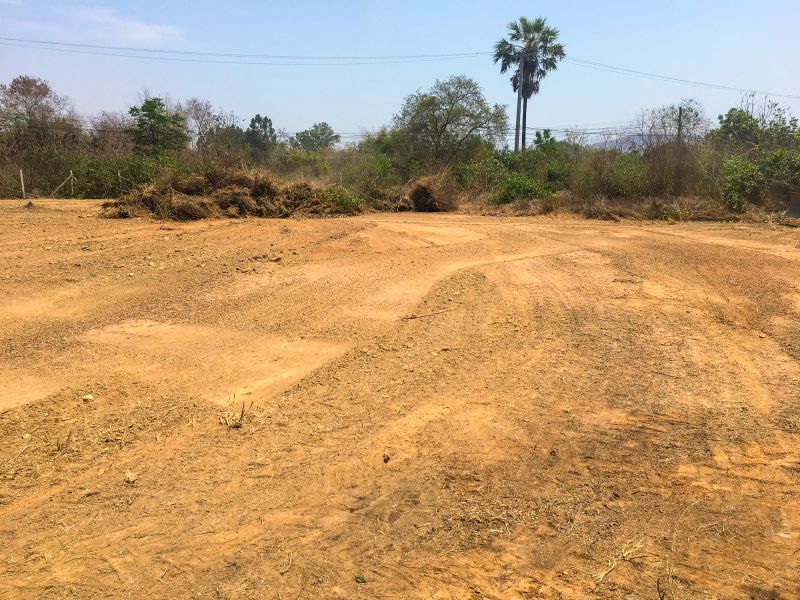
Ways to make Land Clearings work in tight or awkward layouts.
Choosing the right season for land clearing can improve project outcomes and reduce costs. It is important to consider local weather forecasts and soil conditions to determine the most suitable time frame for each specific project.
Assessing project scope and environmental factors helps determine the best timing for land clearing activities.
Planning ahead ensures equipment availability and compliance with local regulations.
Proper site management after clearing supports future development and minimizes erosion.
Timing land clearing to avoid sensitive seasons can prevent unnecessary ecological disturbance.
Interested in scheduling land clearing services? Contact the appropriate professionals to discuss timing options and project requirements. Filling out the contact form can provide tailored advice based on specific land conditions and goals.